
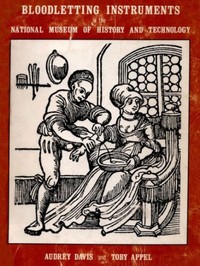
Bloodletting Instruments in the National Museum of History and Technology by Davis et al.
On the surface, this is a book cataloging a museum collection. Toby Appel guides us through the Smithsonian's assortment of bloodletting tools, from simple lancets to ornate, spring-loaded 'scarificators' that look more like torture devices than medical instruments. But this isn't just a list of objects. Appel uses each item as a starting point to explain the 'why' behind the practice.
The Story
There isn't a traditional plot with characters. Instead, the 'story' is the rise and fall of a medical belief. For over 2,000 years, from ancient Greece well into the 1800s, doctors were convinced that many illnesses were caused by an imbalance in the body's four 'humors'—blood, phlegm, black bile, and yellow bile. The fix? Restore balance by removing excess blood. The book shows how this theory shaped the design of ever-more-efficient tools to do the job. The narrative follows how this idea was finally challenged and dismantled by new scientific methods, leaving these intricate instruments as curious relics in a museum drawer.
Why You Should Read It
This book stuck with me because it makes history feel immediate. Holding a lancet in your hand (or reading about one) makes you ask: What would it have been like to be the patient? Or the doctor, truly trying to help? Appel doesn't paint past doctors as villains. She shows them as people working within a flawed system they believed was correct. It's a powerful reminder that our current medical 'truths' might look just as strange to people in the future. The tools themselves are strangely beautiful in their craftsmanship, which adds a layer of eerie fascination to the whole topic.
Final Verdict
Perfect for history buffs who enjoy stories about ideas, or for anyone curious about the odd corners of medical history. It's also great for readers who like short, focused non-fiction that packs a big concept into a small package. If you're looking for a sweeping drama, this isn't it. But if you want a thoughtful, conversation-starting look at why we believed what we did—and how we changed our minds—this little book is surprisingly gripping.
Legal analysis indicates this work is in the public domain. Distribute this work to help spread literacy.
Karen Davis
1 year agoThe layout is perfect for tablet and e-reader devices.
Jessica Harris
2 years agoAs someone working in this industry, I found the insights very accurate.
Matthew Garcia
11 months agoI appreciate how this edition approaches the core problem, the logic behind each conclusion is easy to follow and verify. Highly recommended for those seeking credible information.
Matthew Johnson
3 months agoBefore I started my latest project, I read this and the argument presented in the middle section is particularly compelling. A refreshing and intellectually stimulating read.





Elizabeth Smith
1 year agoHaving read the author's previous works, the visual layout and supporting data make the reading experience very smooth. Truly a masterpiece of digital educational material.