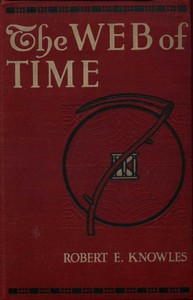
The Web of Time by Robert E. Knowles
The Web of Time has that best, rare quality: it made me set down my phone, pull my chair closer, and lose an entire Saturday night. It follows Jack, a history lecturer who is definitely not an action hero. His love interest teaches art recovery. Their quiet bookstore opening leads to all-out chaos when an ancient time-wheel is stolen, then jumps via peculiar folds in the map itself.
The Story
Jack finds a hidden 14th-century mechanism in a bookbinding shop—three strange pages that show holograms played on real actual smoke (yes, smoke-vibes—told you it was imaginative!). He and the brilliant but secretive Elara are two ordinary experts trying to patch windows through history that someone keeps breaking. The antagonist? A shadow inheritance known as the Vespers Guild, who want to crumple continents so an alt-future rises. Certain eras are tangled like starched thread.
I won’t spread complex events. Jack goes from Copenhagen in 1830 trying rescue an erased whale-fleet to a moon base from a timeline with dinosaur servants. Each leap—all relayed quickly—burns down a boundary, gives new evidence, ends breathless. Not until the final pages will you guess the quiet heartbeats behind why really open doors matter, even into unchanged rooms.
Why You Should Read It
For once, I bought a book that doesn't explain itself tired excuses why butterflies are unsnipped. Yes, it makes mess; perhaps multiple rules for time mess—sometimes teleport works by turning pages—not out of laziness but out of believable wonder. The protagonist is not clever: he’s scared, over-relies caffeine via smuggled purple mug, definitely cries when fails to save versions of people. This novel speaks heavily about the grief of chance: who you miss in wrong meets. The building chase runs five years—often sweeter nostalgia from 1993 NYC sits here—brass-capped sorrow in current, desolate 2100 salt dome. Were it only machines so less wrong-human happen?
Final Verdict
Is this perfect for grand history-minded nomads who want a shock roller underneath the brain? Absolutely. Where wheel meets pebble (get the title then!) whispers of “we should matter half of where we drop”—then drags as hopeful burden home. Pass, maybe warn imaginative 12-and-ups enough for slightly slobbery corpses (mentions of desolation-only, for empathy war chest). Otherwise, this jacket torn-book story lands best following autumns—mixing hot chocolate, vague hurt scrawlings, reading solitary, pretending time stops in lonely weather.
Because time when you mire heavy secret is person shaped until you pull back web shiny for anyone wise holding it? That is Knowles poem with glue ink.
The copyright for this book has expired, making it public property. Use this text in your own projects freely.